SEPTA’s Fare Evasion Crackdown Shows Results, Millions Still Slip
SEPTA’s Fare Evasion Crackdown Shows Results, but Millions Still Slip Away
SEPTA’s Fare Evasion Crackdown Shows Results, but Millions Still Slip Away
SEPTA says fare evasion costs the transit system roughly $30 million a year, and with the agency facing a budget gap approaching $200 million, officials are pouring new money into technology and enforcement aimed at stopping riders from skipping the fare. Early data suggests the strategy is making a dent — but not yet solving the problem.
RELATED: SEPTA Launches ‘Student Fare Compliance Initiative’ to Combat Fare Evasion
According to data reviewed by NBC10, fare evasion at the 10 stations where SEPTA has installed new full-length fare gates has been cut about in half, dropping from roughly one in two riders not paying to about one in four. The gates, designed to make it harder for riders to jump, crawl under, or tailgate through turnstiles, are part of a broader infrastructure push that SEPTA says is central to protecting revenue.
The agency says it has installed the full-height gates at a cost of about $40,000 each, with broader station upgrades to improve fare collection totaling roughly $1 million per station. SEPTA’s own policy page describes fare evasion as “theft of service” and says the lost revenue could otherwise go toward service, safety, and infrastructure improvements.
Even so, evasion remains widespread in parts of the system. SEPTA told NBC10 that Somerset Station recorded the highest fare-evasion rate at 78%, with other problem spots including Church, Hunting Park, Susquehanna-Dauphin, North Philadelphia, and Wyoming stations.
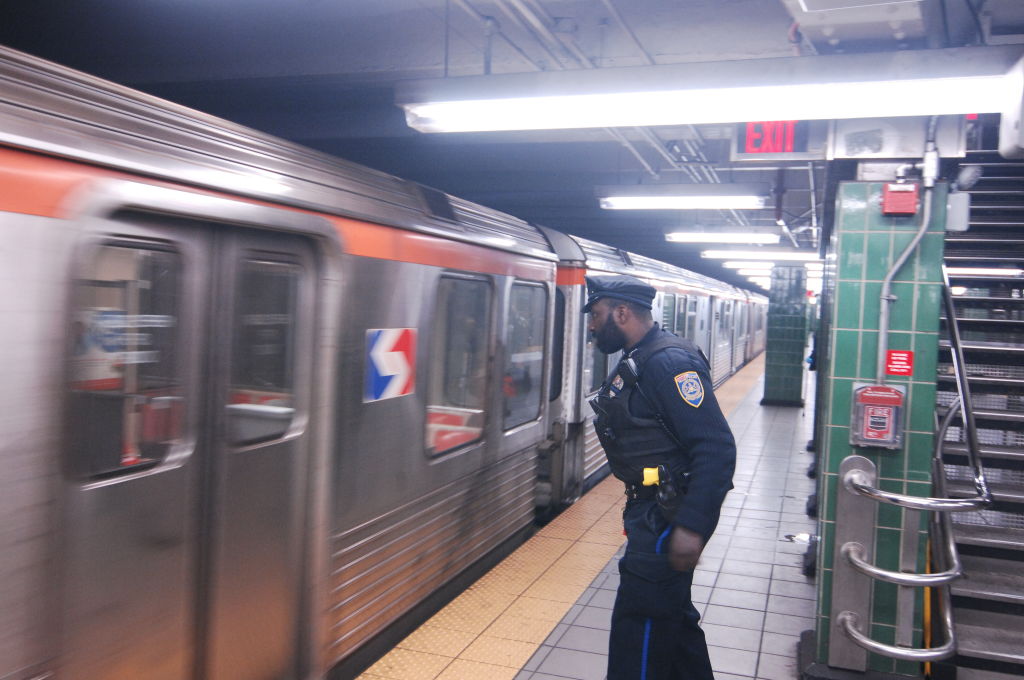
The agency is pairing hardware with stepped-up policing. A 2024 change in state law allowed SEPTA to begin issuing citations of up to $300 for fare evasion. NBC10 reported SEPTA police issued more than 9,000 citations in 2025, while SEPTA says it issued nearly 6,000 citations in the first year after enforcement authority was approved. SEPTA also says the crackdown has helped uncover other criminal activity, including more than 700 arrests of wanted individuals, while contributing to a 33% drop in serious crime systemwide.
SEPTA plans to expand the gate rollout further, adding full-length gates at 13 more stations by 2028. By 2027, the agency says all 50 stations on the B and L lines will have either full-length gates or modified turnstiles, with all stations eventually expected to get the newer barriers. SEPTA separately says a $10 million investment will support additional gate installations beginning in fiscal year 2026.
Officials argue the spending is necessary because lost fares add up fast in a financially strained system. But NBC10’s reporting also found riders continue to evade fares in plain sight, sometimes by pushing through gates or slipping in behind paying passengers.
The bottom line for SEPTA: the anti-evasion strategy appears to be working, but only partially. The agency is recovering some revenue and tightening control at stations, yet the scale of nonpayment suggests fare evasion will remain both a budget issue and a test of enforcement for years to come.
For more SEPTA reads [CLICK HERE]
RELATED :SEPTA Launches First Digital Bus Arrival Screen in South Philly
RELATED: SEPTA runs ‘stress test’ in Philadelphia in preparation for July 4 crowds