The overlooked role infrastructure plays in conservation planning
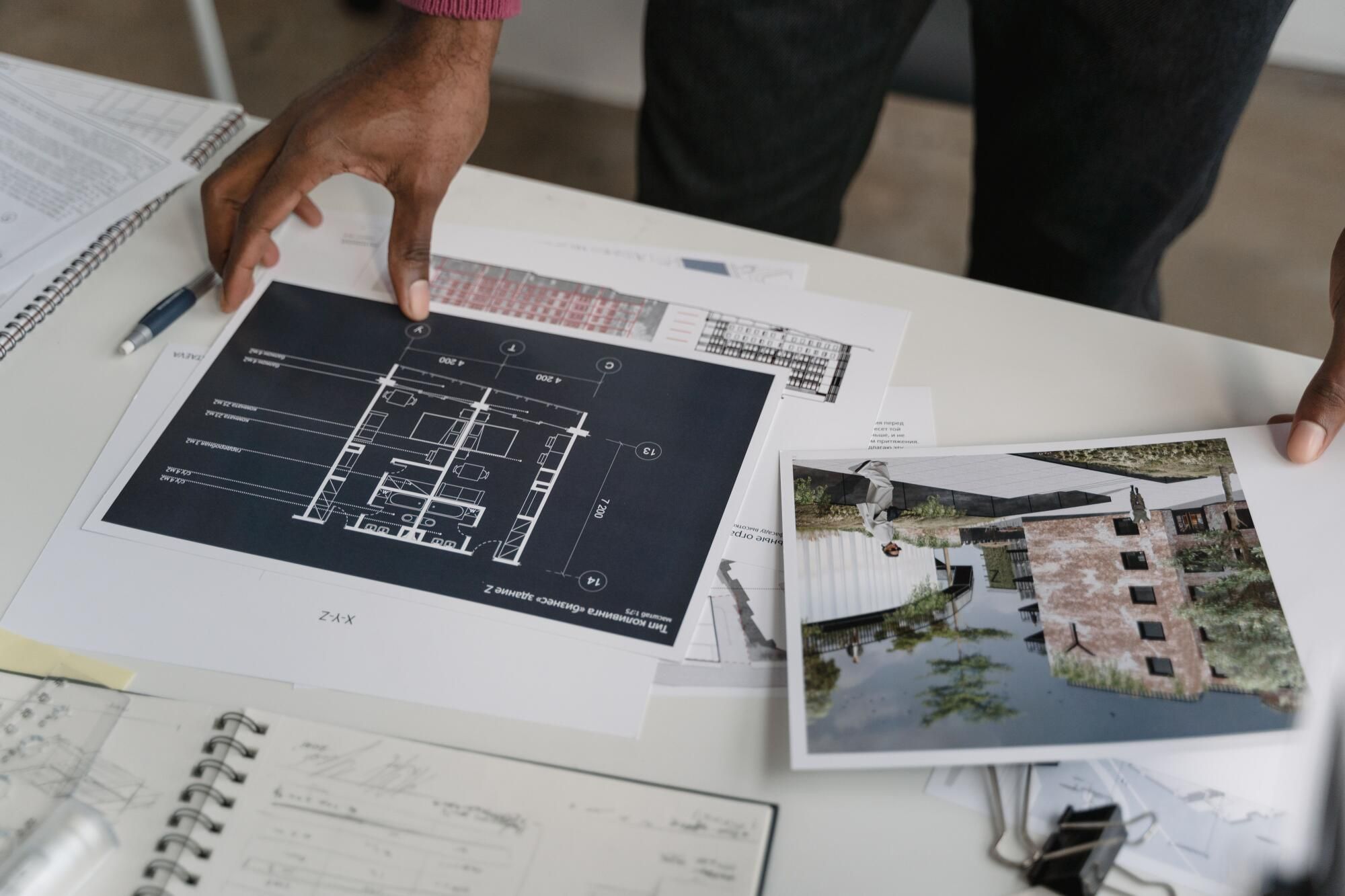
Infrastructure shapes conservation planning by determining where habitat is lost, how species move through a landscape, and which areas become vulnerable to future development. A single road can open corridors for settlement, extraction, and land-use change that unfold for decades.
More than one million wildlife-vehicle collisions occur in the United States every year, costing the public over $10 billion annually, according to the U.S. Department of Transportation. That figure reflects a single, measurable consequence of roads built without habitat connectivity in mind. Infrastructure and wildlife already share the same ground, and every unplanned mile raises the cost for animals and for people.
How Infrastructure Touches Ecosystems Directly
Roads, dams, and power lines change a landscape the moment crews start digging. These infrastructure impacts reach far past the actual construction site, often stretching for miles in every direction.
Several forms of damage typically show up first:
- Habitat loss and fragmentation from roads and railways
- Blocked migration routes and disrupted water flow
- Increased wildlife deaths from vehicles and power lines
- Noise, light, and dust that disturb nearby species
What Happens After the Road Is Built?
A new road rarely stays just a road. It actually opens the door for settlement, farming, mining, and tourism that can spread out for decades.
This shows the real role of infrastructure in a landscape. It moves people and goods, and it also changes what becomes possible nearby. A dirt path today might sit under a shopping center in twenty years.
Why Does Construction Always Look Cheaper Than Conservation Planning?
Economic reports often treat nature as a cost to work around rather than a resource worth protecting. That framing can make a harmful project look cheap on paper, since it may skip real costs like flood protection, clean water, and fisheries.
A better question asks what mix of infrastructure, restoration, and nature-based systems can meet public needs with the least harm. Good environmental impact planning starts here, well before anyone picks a route.
Finance, Governance, and Path Dependency
Infrastructure can last for 25 to 100 years, so choices made today shape ecological outcomes for generations. Once a highway or energy corridor secures funding, changing its design becomes hard, both politically and financially.
Integrating infrastructure planning with conservation goals works best early, well before the route and financing get locked in.
From Damage Control to Design Principle
Good conservation strategies start with a simple question: what public need does the project actually serve? Planners could look at repair, reuse, or smarter use of buildings that already exist, rather than starting from scratch.
The mitigation hierarchy typically guides the next steps, in this order:
- Avoid sensitive habitats and connectivity zones first
- Minimize damage through better siting and design
- Restore ecosystems harmed during construction
Material choices matter too. Knowing why timber is ideal for pedestrian bridges helps planners pick options that lower harm to nearby streams and wildlife crossings.
Designing Development Around Ecological Limits
Infrastructure shapes land-use patterns, funding decisions, and ecological outcomes for generations. Treating conservation planning as a filter applied at the end of a project misses the chance to avoid damage altogether; treating it as a guide from day one changes what gets built, where, and how.
Want more on what’s happening around Philly? Keep browsing for more.