'Skip the Stuff': New Jersey's Newest Law Is Now in Effect
‘Skip the Stuff’: New Jersey’s Newest Law Is Now in Effect. Here’s What It Means for Takeout Orders.
- Restaurants no longer automatically include utensils, condiments, etc. with takeout orders.
- Customers must now request these items, aiming to curb unnecessary waste.
- Businesses may face warnings and fines for non-compliance, but customers can still request needed items.
New Jersey’s ‘Skip the Stuff’ Law Is Now in Effect. Here’s What It Means for Takeout Orders.
Ordering takeout in New Jersey just got a little different.
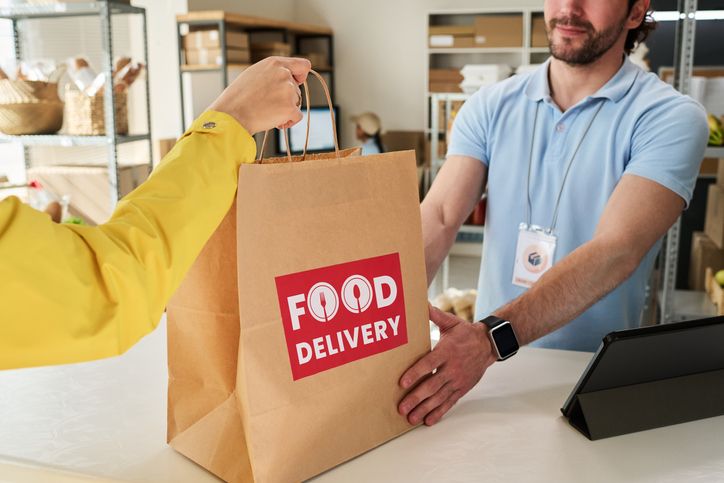
As of Aug. 1, restaurants, food trucks, cafes and delivery services across the Garden State can no longer automatically include plastic utensils, condiment packets and other single-use items with most takeout and delivery orders. Instead, customers must specifically request them under New Jersey’s new “Skip the Stuff” law, a measure aimed at reducing plastic waste and encouraging more sustainable dining habits.
The legislation builds on New Jersey’s previous environmental initiatives, including the state’s ban on single-use plastic bags and polystyrene foam containers and earlier restrictions on plastic straws.
What is the “Skip the Stuff” law?
Under the new law, if you order food for pickup, delivery or through a drive-thru, don’t expect to automatically receive a fork, spoon, knife, straw, napkins or condiment packets.
Instead, you’ll need to ask for them.
For customers placing orders online or through mobile apps such as DoorDash or Uber Eats, the default setting must now be “no utensils or condiments.”
The goal, according to state officials, is simple: reduce unnecessary waste by ensuring restaurants provide only what customers actually need.
Restaurants Expect an Adjustment Period
While many businesses support the environmental mission, some restaurant workers believe the transition may take time.
At Haddon Diner in Camden County, employee Jose Lopez said staff have long been accustomed to automatically packing utensils and condiments with every order.
“Automatically, we always put silverware in the bags and ketchups, syrups, and other condiments,” Lopez told CBS Philadelphia.
“I don’t think a lot of people will know about the law at the beginning and maybe there is going to be some conflictions between them and us,” he said.
Kathleen Burns, a New Jersey resident interviewed by CBS Philadelphia, welcomed the change.
“I can’t stand the waste that comes with those utensils, which I can’t ever remember using, so in my pantry I have a giant bag of these utensils,” Burns said.
The New Jersey Restaurant and Hospitality Association also believes businesses could ultimately save money by purchasing fewer disposable products.
“It can certainly save them money in the long run,” Amanda Stone, the association’s vice president of public affairs, told CBS Philadelphia, noting that many restaurants have already begun adopting more sustainable practices.
Derrick Williams, speaking with CBS Philadelphia, questioned the practicality of the change.
“Because I’m not going to always remember to ask for condiments or a fork and if I’m going somewhere where I need to eat quick, then I don’t have what I need,” Williams said.
Social media has also been divided, with critics calling the law an unnecessary inconvenience while supporters argue it’s a small adjustment that could have a meaningful environmental impact.
What happens if I still receive utensils I did not request?
Restaurants that fail to comply won’t immediately face fines.
State officials say businesses will first receive a warning. Repeat violations can result in penalties beginning at $100 and increasing to $250 for subsequent offenses.
For diners, the takeaway is straightforward: if you need a fork, napkin or ketchup with your next takeout order, be sure to ask. Otherwise, don’t expect them to be in the bag.