Why Did Patients Wait 56 Days? Inspection at Philly Dental Office
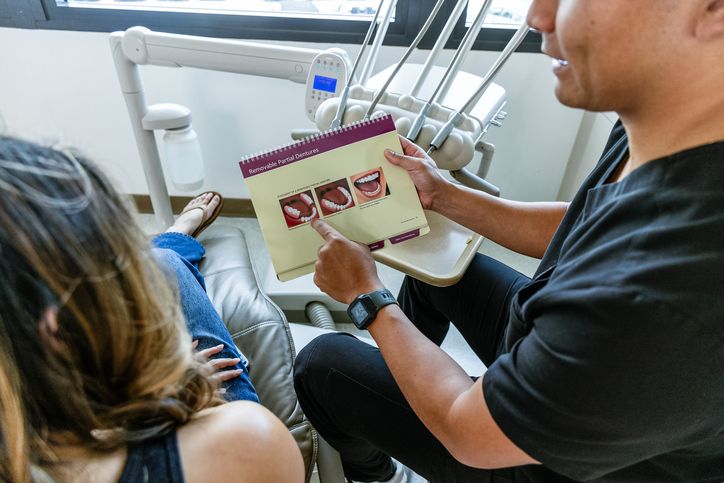
Patients at a Center City Philadelphia dental office waited nearly two months to learn they may have faced exposure to bloodborne illnesses after inspectors uncovered serious infection-control concerns. NBC10 Investigators reported that health officials inspected the practice on March 25, but patients did not receive notification letters until 56 days later.
The Pennsylvania Department of State launched the investigation after receiving complaints about infection-control practices at Smiles at Rittenhouse Square, now operating as Smiles at The Square. Inspectors documented several alleged violations, including concerns about instrument sterilization, handling of saline bags, and the use of single-use anesthetic vials. Officials warned that those practices could increase the risk of transmitting diseases such as HIV, hepatitis B, and hepatitis C. Despite those concerns, the Philadelphia Department of Public Health has not identified any infections connected to the practice.
The delayed patient notification has raised questions about why officials waited 56 days to alert people who may have needed testing. Health officials explained they first needed to identify affected patients, gather accurate records, and coordinate outreach before sending recommendations for testing.
Dr. Kirti Chopra, the practice’s owner, acknowledged mistakes at the office and apologized to patients. She said the experience prompted significant changes, including updated sterilization procedures, new equipment, and additional staff training. However, Chopra disputed some of the allegations made during the investigation, including claims involving the reuse of anesthetic vials.
State regulators temporarily suspended Chopra’s dental license while the investigation continued. After reviewing corrective actions, officials allowed the practice to reopen under strict conditions. Chopra must complete additional training, submit to inspections, pay fines and fees, and remain on probation for four years.
Health officials continue to encourage former patients who received treatment between April 2025 and May 2026 to consult their healthcare providers about testing. They also stress that no confirmed cases of HIV or hepatitis have been linked to the dental office as the investigation continues.