How Uncle Nearest Went From Being The Blueprint To Now
Sips & Stumbles: How Uncle Nearest Went From Being The Bourbon Blueprint To A Sobering Setback
- Successful Black businesses become symbols, but their struggles shouldn't be dismissed or defended blindly.
- Failures in Black-owned companies don't prove inherent weaknesses, just as white failures don't invalidate white entrepreneurship.
- Acknowledging challenges in Black businesses promotes learning, not just celebration of excellence.
Black folks love a comeback story.
Actually, scratch that.
We love a story where somebody tells America, “You ignored us, stole our history, erased our contributions—and now we’re going to make a fortune telling the truth.”
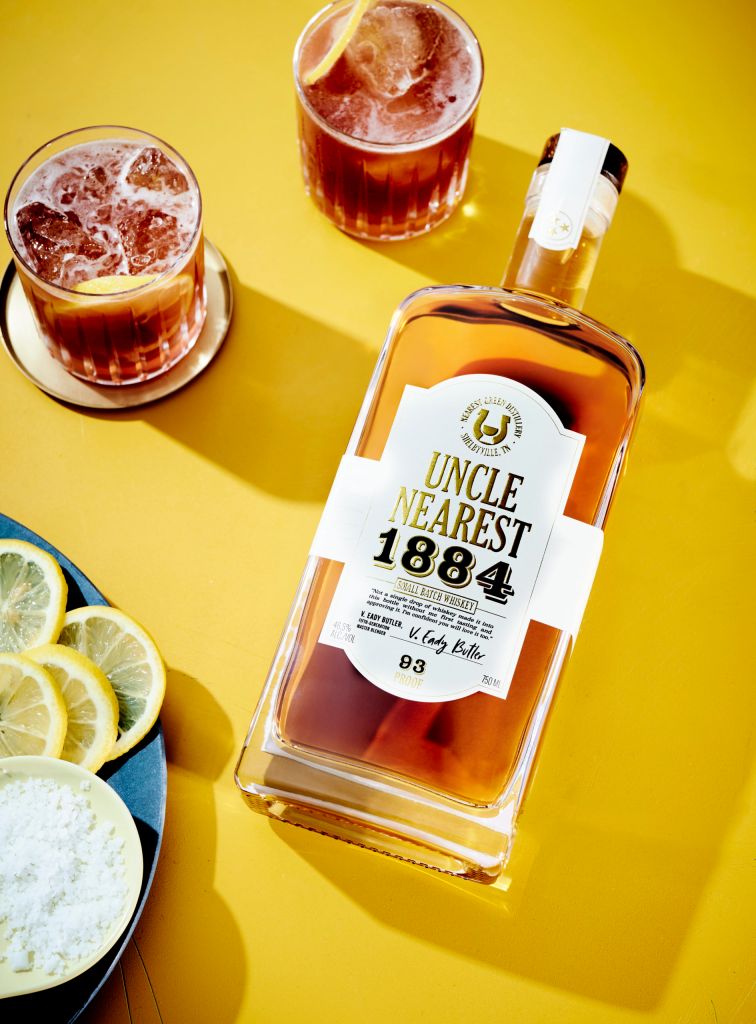
That was Uncle Nearest.
The company didn’t just sell whiskey. It sold receipts.
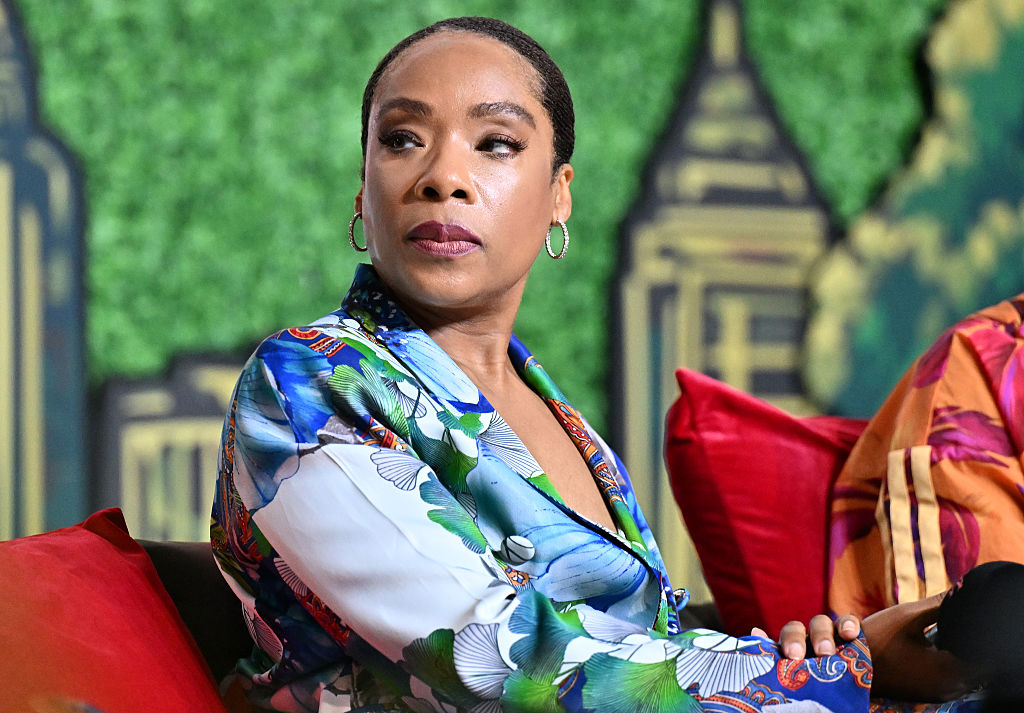
Nathan “Nearest” Green, the formerly enslaved man who taught Jack Daniel how to distill whiskey, spent more than a century as one of American history’s wronged. Then Fawn Weaver came along, found the story, built an empire around it, and, for a while, looked like she had written the blueprint for Black entrepreneurship in America.
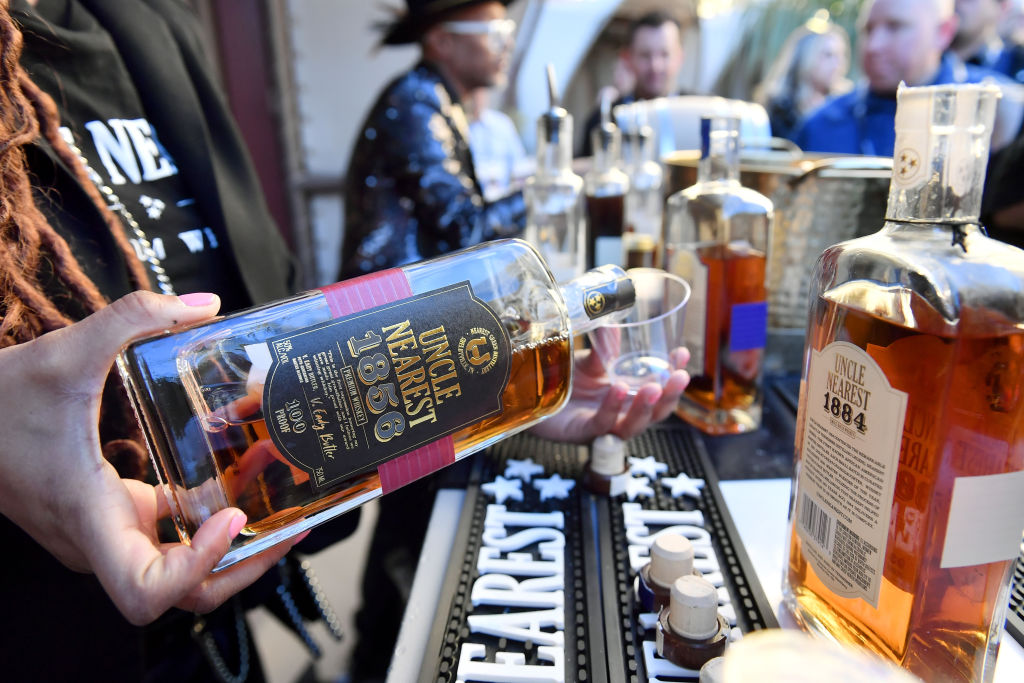
The brand exploded. Investors came calling. Awards piled up. Every Black business conference wanted Weaver on stage. Every magazine wanted to profile her. Uncle Nearest wasn’t just successful—it became the company people pointed to whenever somebody claimed Black businesses couldn’t scale.
Which is exactly why watching this thing unravel feels like seeing your favorite aunt and uncle fight at Thanksgiving. You don’t want to see it, but you can’t stop looking.
Today, Uncle Nearest is in court-appointed receivership after its lender alleged the company defaulted on more than $100 million in debt. The company has disputed many of the lender’s allegations, and those claims remain the subject of ongoing litigation. Still, the fact that a federal court appointed someone else to oversee the company isn’t exactly the kind of business update you celebrate by popping a cork.
Then things somehow got…Black Twitter levels of chaotic.
There was a Chapter 11 bankruptcy filing.
Then a court said the filing couldn’t stand because the receiver—not the company’s founder—had the authority to make that decision.
Then reports surfaced that Fawn Weaver herself had been removed from the company she built.
I’m sorry, what?
That’s not a pivot. That’s not a restructuring. That’s not “challenging market conditions.” That’s the kind of corporate dysfunction where you need a flowchart just to explain who’s allowed to unlock the front door.
Here’s what’s especially frustrating. Black folks have spent decades telling each other that ownership is the answer. Create a brand. Create generational wealth. Create a legacy. Don’t just work for the company; own the company. And Uncle Nearest looked like the proof that all of that was possible. It was a great Black American underdog story.
And now, instead of talking about market expansion or international growth, we’re talking about receivers, bankruptcy courts, governance disputes, and lawsuits.
That’s heartbreaking.
Not because successful companies never struggle—they absolutely do—but because Uncle Nearest had become more than a whiskey company. It became a symbol. It became a beacon. It became proof that something stolen could be made right.
Here’s where I think we sometimes get ourselves into trouble.
Whenever a high-profile Black-owned business stumbles, two groups immediately show up.
The first group starts tap dancing like they just discovered rhythm. “See? I told y’all Black businesses can’t…”
Stop. And then, stop some more.
White-owned companies implode every single day in America. Silicon Valley burns through billions before lunch. Wall Street has turned spectacular corporate failures into an Olympic sport. Nobody concludes that white people shouldn’t own businesses because one CEO drove a company into the ground. Let’s stop acting like a failing business is merely Black people’s business.
Then there’s the second group.
The “Don’t criticize Black businesses no matter what” crowd.
Nah, that’s not solidarity. That’s fandom.
There’s a difference.
If a company ends up under court supervision, loses control of its own operations and becomes consumed by legal warfare, it’s okay to ask what happened. That’s not rooting against Black success. That’s acknowledging reality.
Because here’s the thing: if we only celebrate Black excellence but refuse to examine Black failures, we don’t actually learn anything.
We just create mythology. And mythology doesn’t balance books.
Again, it’s important to remember that many of the most serious allegations in the ongoing litigation remain disputed. The courts—not social media—will determine those issues.
But even setting aside every disputed allegation, the public facts are enough to make anybody who loves Black business wince. The company is under receivership. Its leadership has changed dramatically. Its future remains uncertain. And, you don’t get there because everything is going according to plan.
The biggest tragedy is that Nathan Green deserved every bit of the recognition Uncle Nearest gave him. He deserved to have his story told. That part can’t be undone. No lawsuit changes history. No bankruptcy filing erases his legacy. No courtroom can take away the fact that millions of people now know his name because this company existed.
That’s real.
But it’s also real that one of the brightest examples of Black entrepreneurship in modern America now serves as a reminder that a powerful story, a charismatic founder, and a beloved brand still need boring things like governance, accountability, and financial discipline.
Those aren’t sexy words. I get it.
But because no company—not even one built on one of the greatest untold stories in American history is too important to fail, and no founder is too celebrated to make mistakes.
That’s a lesson worth swallowing, even if it burns a little more than the whiskey.
Sips & Stumbles: How Uncle Nearest Went From Being The Bourbon Blueprint To A Sobering Setback was originally published on bossip.com