Kensington Property Values Surge, Pressuring Philadelphia Rentals
- Median home values in Kensington rose 15%, far outpacing the citywide increase of 3%.
- Rising assessments could lead to higher property taxes, destabilizing many longtime, low-income homeowners.
- Neighborhood improvements and gentrification pressure from nearby areas are driving up rents and incentivizing landlords to reposition properties.
Kensington Property Values Surge, Pressuring Philadelphia Rentals
Property values in Kensington climbed faster than in any other Philadelphia neighborhood in the city’s latest round of assessments, intensifying concerns that rising taxes and redevelopment pressure could further strain working-class residents and reshape nearby rental markets.
An analysis of new city assessment data found that the median value of single-family homes in Kensington rose roughly 15% between the 2025 and 2027 tax years, far outpacing the citywide median increase of about 3%. That jump, according to reporting and market analysis published last week, places Kensington at the forefront of a broader trend: lower-income neighborhoods bordering wealthier, fast-changing areas are seeing some of the sharpest valuation increases in the city.
The implications go beyond homeowner tax bills.
In Kensington, where the latest median assessment rose from about $115,700 to $133,400, the increase could translate into an annual property tax hike of roughly $250 for a typical single-family property before relief programs are applied. For many residents, especially longtime homeowners on fixed or modest incomes, even relatively modest increases can become destabilizing when layered onto broader affordability pressures.
City officials have pointed to Philadelphia’s homestead exemption and other tax relief programs as a buffer. The homestead exemption removes the first $100,000 of a primary residence’s assessed value from taxation, and officials say many homeowners in the hardest-hit neighborhoods are already enrolled in some form of relief. But local leaders have warned that those programs may not be enough to counter the market forces now pushing deeper into Kensington.
Councilmember Quetcy Lozada, who represents parts of the area, said she is concerned that outside investors and speculators will look to capitalize on neighborhood improvements and rising demand, potentially accelerating displacement. She said her office is exploring additional protections to help longtime residents stay in place.
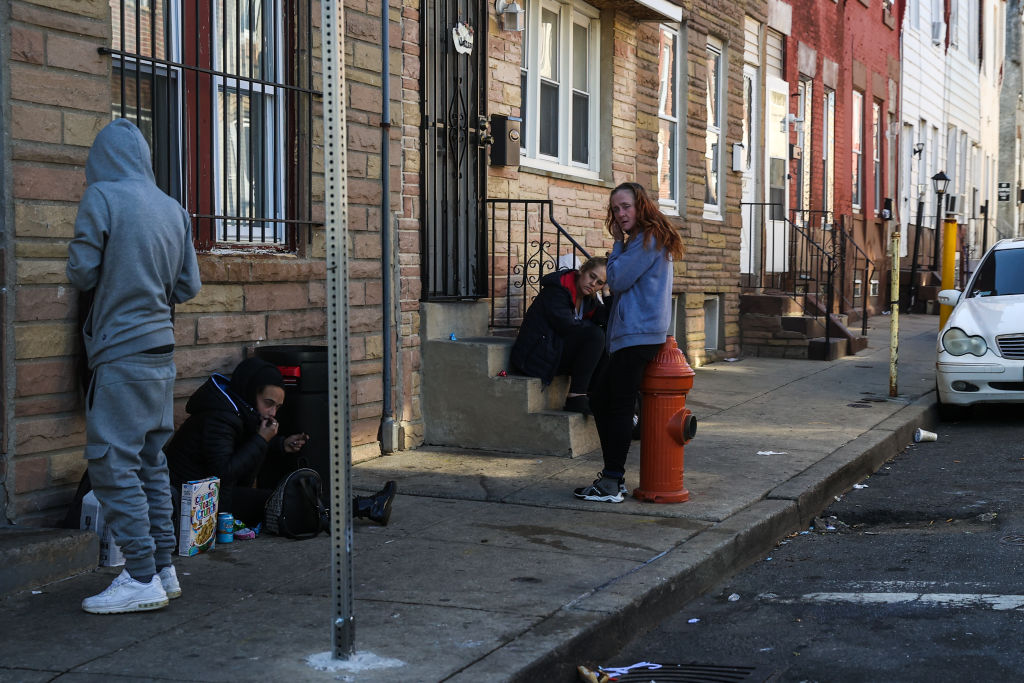
The neighborhood’s changing fortunes are tied in part to a larger city effort. The Parker administration has invested heavily in Kensington, combining public safety initiatives, cleanup efforts, and services aimed at addressing the area’s entrenched opioid crisis. At the same time, the neighborhood has long faced creeping gentrification from nearby Fishtown, where higher values and development momentum have steadily moved outward.
That same dynamic is now showing up in the rental market, according to a New Age Realty Group analysis that drew on the Inquirer’s reporting. The firm said higher assessments can reset rent expectations, widen the gap between renovated and legacy units, and increase pressure on landlords and tenants alike as comparables move upward. In neighborhoods where values are rising quickly, owners may face stronger incentives to reposition properties, raise rents, or pursue redevelopment.
Kensington is not alone. The Inquirer found similar spikes in other working-class neighborhoods bordering more affluent sections of the city, including Mantua, Grays Ferry, and Kingsessing. The pattern, housing advocates and some elected officials argue, reflects a familiar Philadelphia reality: when investment spills over from hot markets, the communities most vulnerable to displacement often feel the cost first.
For now, the newest assessment cycle is offering both a market signal and a warning. Rising values may be interpreted as evidence of neighborhood demand, but for many residents in Kensington, they also raise a pressing question: who gets to benefit from that growth, and who gets priced out of it.