Why Was Madison Square Garden Tracking LGBTQIA Celebrities?
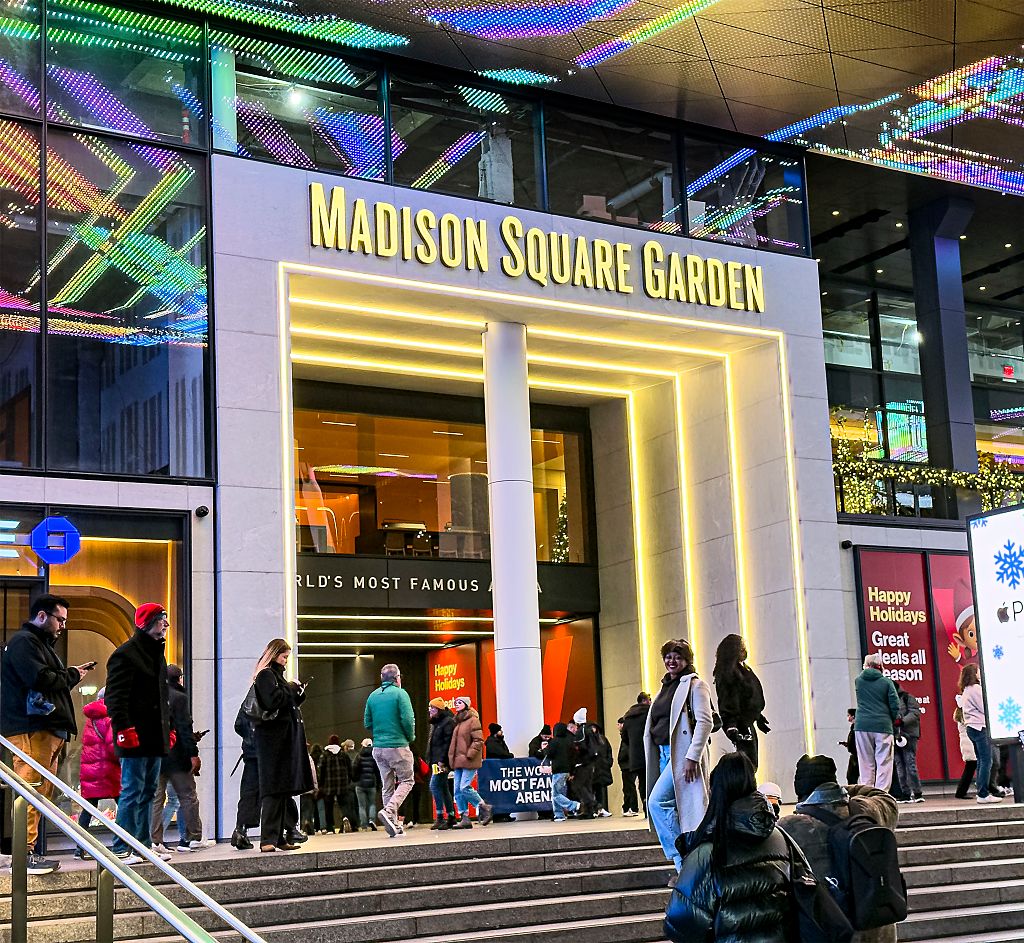
Madison Square Garden has always been one of the most visible venues in sports and entertainment. On any given night, the building can be packed with athletes, rappers, actors, politicians and power players sitting courtside or backstage. But according to new reporting from WIRED, MSG was not just watching who came through the doors — it was allegedly keeping a massive internal database on them, including a category that flagged some celebrities as “LGBTQIA.”
The reported database included 39,539 entries and appeared to function as an internal “talent” tracking system. Some of the names were allegedly assigned risk labels like “low risk,” “medium risk,” “high risk,” “flag” or even “DO NOT HOST.” According to WIRED, the database included recognizable names across music, sports, television and politics, with some entries reportedly tied to social media activity, public criticism or perceived issues connected to MSG owner James Dolan and the company.
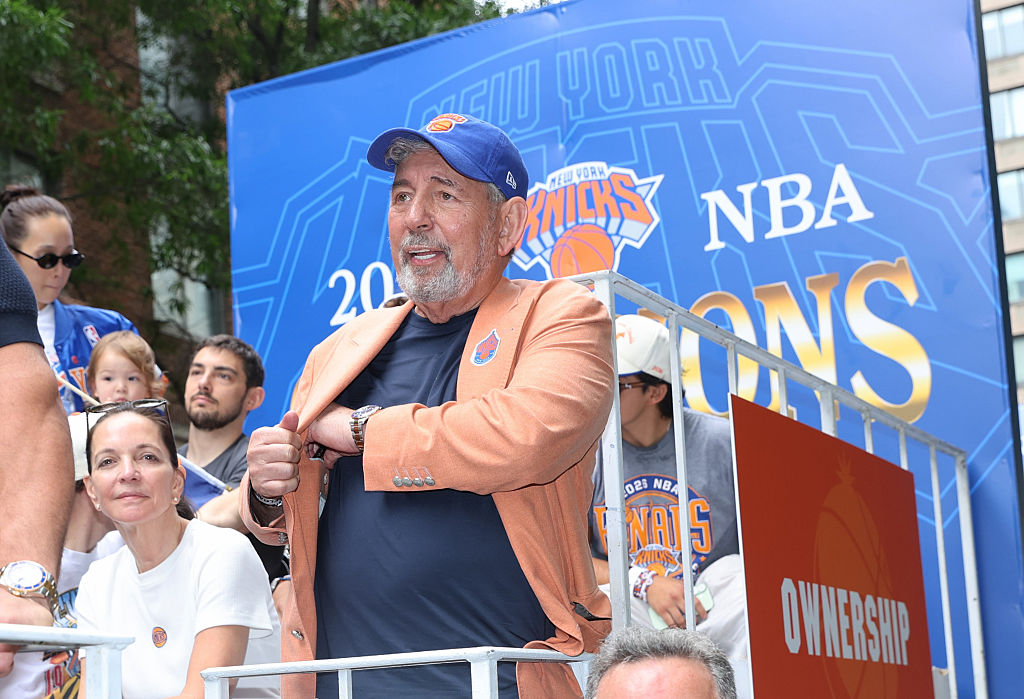
The part that turned the story into something more disturbing was the LGBTQIA label. Stereogum’s breakdown of WIRED’s reporting states that 93 people in the database were marked “LGBTQIA,” including Ricky Martin, Phoebe Bridgers and Geese guitarist Emily Green, who is transgender. The reporting does not make clear why MSG would need to label celebrities by sexuality or gender identity in an internal system, how that information was collected or who had access to it. That is the heart of the issue: security is one thing, but quietly tagging people by identity raises an entirely different set of privacy and discrimination concerns.
That context matters because MSG has already faced scrutiny for how it watches people inside its venues. In 2023, New York Attorney General Letitia James asked Madison Square Garden Entertainment for information about its use of facial recognition technology after reports that the company used it to identify and ban lawyers connected to firms involved in lawsuits against MSG. At the time, the concern was not just that MSG had the technology, but that it might have been using security tools to punish people involved in legal or personal disputes.
That is why this latest report hits harder. WIRED reported that not every flag in the database appeared to be about an actual safety threat. A source familiar with the system said someone could be flagged for something as minor as criticizing the team, the venue or their experience getting into the building. If true, that suggests MSG’s system may have blurred the line between protecting the arena and monitoring people who said something the company did not like. Once personal identity labels like “LGBTQIA” enter that kind of system, the concerns become even more serious.
There is also a larger pattern that critics point to. Stereogum connected this report to a previous WIRED story involving a lawsuit from former MSG security executive Donald Ingrasselino, who accused MSG security leadership of tracking a transgender woman inside the venue over two years. According to that reporting, security allegedly monitored details like when she entered, used elevators, ordered drinks and went into the women’s bathroom. MSG has denied wrongdoing in that matter, but placed next to this newly reported LGBTQIA label, it adds to the concern that queer and trans people may have been watched in ways that go beyond normal venue safety.
MSG has pushed back hard against the reporting. A spokesperson told Stereogum and Them that “WIRED’s reporting is inaccurate and false” and said the company is pursuing legal remedies. The database reportedly surfaced after the hacking group ShinyHunters published documents from an MSG data breach, and Stereogum reported that lawsuits are already following. So, the simplest answer to the question — why was Madison Square Garden tracking LGBTQIA celebrities? — is that MSG has not given a clear public explanation. But the bigger issue is already clear: One of the most powerful venues in the country is accused of building a system that tracked famous people, flagged critics, and labeled LGBTQIA figures in a way that feels far more invasive than ordinary security.
RELATED: Here Are All The NBA Trades This Offseason So Far
See social media’s reaction to the data collection below.
Why Was Madison Square Garden Tracking LGBTQIA Celebrities? was originally published on cassiuslife.com