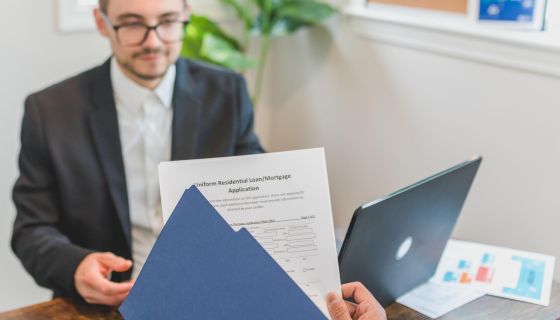
Freelance and financed: Self-employed home loans are turning gig economy workers into homeowners

Getting self-employed home loans as a freelancer or business owner may require more proof of financial solvency, such as 2 years of bank statements. Such deposits can help you get a bank statement loan, but standard mortgages, including FHA programs, are also available to you. Just remember to keep lots of documentation of business income and keep it separate from personal expenses.
Pew Research reports that 60% of self-employed workers whose work can be done from home say they work from home all the time. When your residence is also your office, you likely want it to be as comfortable as possible.
Homeownership makes it easier to customize a designated workspace and claim it on taxes, so it’s worth applying for a mortgage.
What Are Common Options for Self-Employed Home Loans?
Mortgage providers for self-employed people may include conventional loans and ones backed by the government, like FHA or VA loans.
Bank statement loans are a good solution for those business write-offs that reduce taxable income. With this option, show them recent bank statements, which can determine your cash flow and show how much home you can afford.
How Do You Prepare to Apply for a Self-Employed Mortgage?
Start preparing essential documentation, which includes at least 1 to 2 years of personal and business tax returns. You also need to present 3 to 12 months of your personal and business bank statements.
If you’re a contractor, you’ll need to supply your 1099 forms since you won’t have W2s. A business owner should show their business license, insurance, and other certificates.
Have a CPA prepare your year-to-date Profit and Loss (P&L) statement. Get a free credit report to check that everything is kosher so you know your score.
What Are Some Tips for Getting a Mortgage Approved?
The best advice on how to get a home loan when self employed is to ensure your credit score is as high as possible. You want a strong credit score of at least 620, which can help offset lenders’ perceived risk of non-traditional income.
Working on paying off your debt and optimizing your credit-to-income ratio helps your application. Additionally, the higher your credit score is, the better interest rates you’ll get, which affects how much you’ll have to pay every month.
It also looks better if you keep your personal and business expenses separate. That way, it’s easier for underwriters to clearly calculate what your actual income is, especially if it’s coming from different sources.
Self-employed Home Lenders May Help Your Home Dreams Come True
Regardless of income type, buying a home can be a complex matter that involves extensive paperwork and planning. However, proving your financial stability can be more complicated when you’re self-employed through your own business or regular freelancing.
However, there are several self-employed home loans for those in this situation, as long as you keep accurate records from 1099s to bank statements and shop around for the best plan for you.
Learn more about real estate, mortgages, and home improvement by checking out more topical articles on our website.