Pennsylvania Supreme Court Declares Skill Games Illegal
Pennsylvania Supreme Court Declares Skill Games Illegal, Setting Up High-Stakes Fight Over Enforcement and Revenue
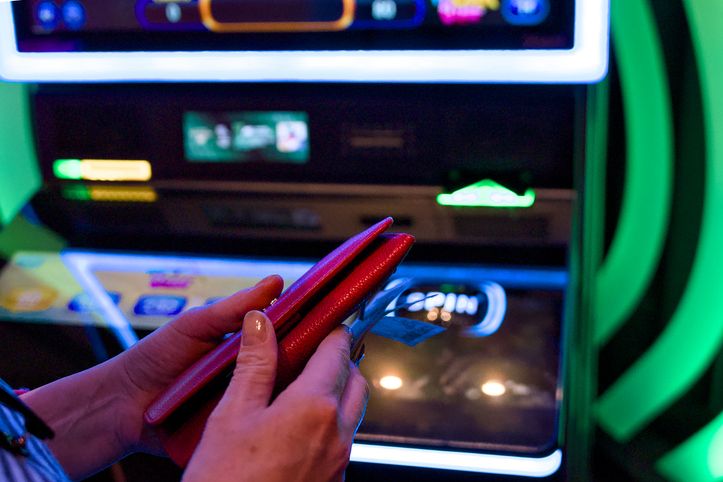
Pennsylvania Supreme Court Declares Skill Games Illegal, Setting Up High-Stakes Fight Over Enforcement and Revenue
HARRISBURG, Pa. — In a decision with sweeping consequences for thousands of Pennsylvania businesses, the state Supreme Court has ruled that so-called “skill game” machines are illegal under current law, siding with the Attorney General’s Office and upending years of legal and political ambiguity.
The ruling, handed down Monday, finds that the electronic machines — long installed in convenience stores, bars, restaurants, social clubs, and nonprofits across the commonwealth — function as gambling devices and fall under Pennsylvania’s Gaming Control Act and Crimes Code.
Just as significant as the decision itself is its delay: the court put enforcement on hold for 120 days, giving lawmakers and Gov. Josh Shapiro a narrow window to decide whether to regulate, tax, or otherwise address the machines before the ruling fully takes effect.
State officials estimate there are roughly 70,000 of the machines operating across Pennsylvania, a footprint that reaches deep into small businesses and community organizations that have come to rely on them as a revenue source.
Attorney General Dave Sunday praised the ruling as a major legal and consumer protection victory, saying the court affirmed the state’s long-running argument that the devices cannot operate outside the same oversight and accountability applied to other forms of legalized gaming.
Supporters of the machines, however, warned of immediate fallout. Pace-O-Matic, a major manufacturer tied to the devices, said the opinion could have “far-reaching consequences,” arguing that more than 10,000 small businesses and fraternal clubs could be harmed by the decision.
The court’s move now shifts pressure squarely onto the Capitol. Senate Republican leaders welcomed what they called long-awaited legal clarity and signaled that gaming reform could become part of this year’s budget negotiations, including debate over taxation and regulation.
For years, skill games occupied one of Pennsylvania’s most contested legal gray zones: widespread, profitable, and politically difficult to ignore, yet largely untaxed and outside the state’s formal gaming structure. Monday’s ruling may have ended the legal debate, but it has likely intensified the policy fight.
The next 120 days will determine whether Pennsylvania eliminates the machines as illegal gambling devices or brings them into a regulated framework with new rules, new taxes, and new oversight.