Pennsylvania Voters Prepare for High-Stakes Primary Election
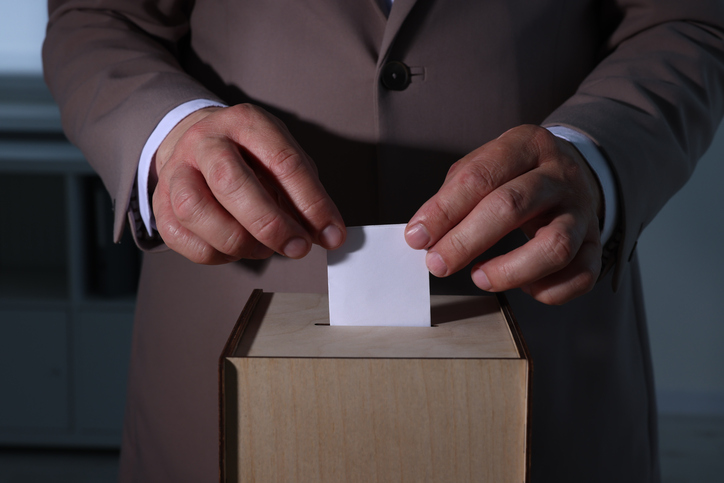
Pennsylvania voters will head to the polls Tuesday for a closely watched primary election that could shape the state’s political future ahead of November’s general election. Candidates across the Commonwealth will compete for nominations in races for governor, lieutenant governor, Congress, and the state legislature.
The Pennsylvania primary election will take place on May 19, with polling locations open from 7 a.m. until 8 p.m. State officials reminded voters that Pennsylvania operates under a closed primary system, meaning only registered Democrats and Republicans can vote for candidates within their party. Independent voters cannot participate in partisan primary contests.
Governor Josh Shapiro will seek another term and faces no Democratic challenger in the primary. Republican State Treasurer Stacy Garrity also secured her party’s nomination without opposition, setting up a major gubernatorial showdown this fall.
One of the most competitive races centers on Pennsylvania’s 3rd Congressional District. Congressman Dwight Evans announced his retirement after decades in public service, opening the door for four Democratic candidates to battle for the seat in Philadelphia. Political analysts expect the race to draw significant attention because the district strongly favors Democrats in general elections.
Election officials encouraged voters to confirm their registration status and review polling locations before Election Day. The deadline to register passed on May 4, while the deadline to request a mail-in ballot expired on May 12. Officials urged mail voters to carefully follow ballot instructions to avoid disqualification.
The election also will determine control of the Pennsylvania House and could influence the balance of power in the state Senate. Both parties view Pennsylvania as a key battleground state, and political observers expect strong voter turnout across suburban Philadelphia and other competitive regions.