Jamal Bryant Apologizes After Target Boycott Confusion
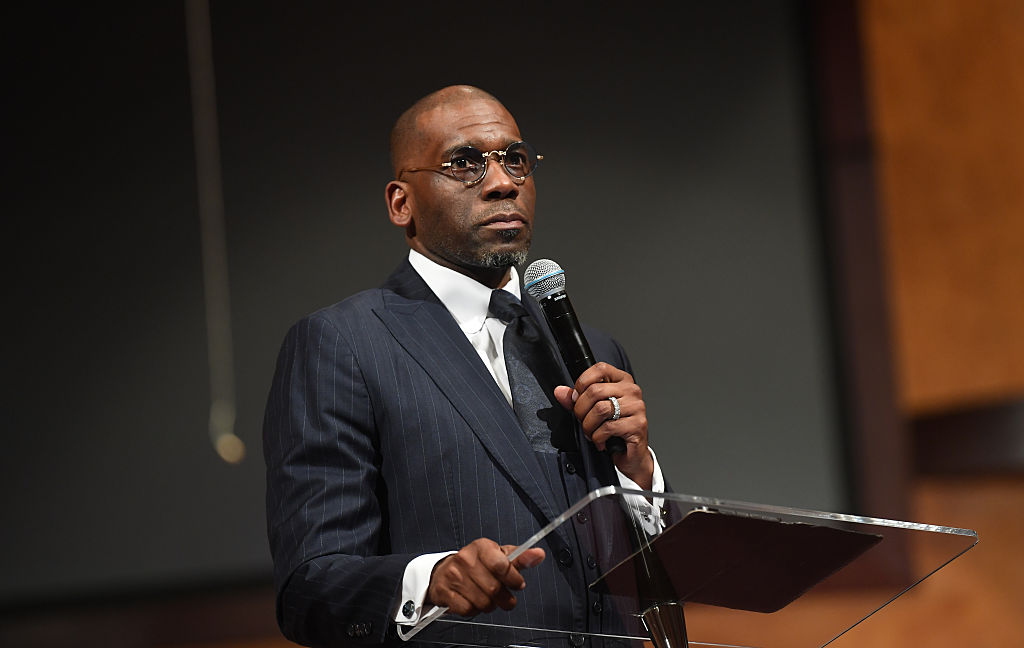
Pastor Jamal Bryant issued a public apology after confusion spread online over remarks tied to a rumored boycott of Target. The controversy gained traction across social media as critics and supporters debated Bryant’s comments and questioned his intentions.
Bryant addressed the backlash during a livestream and acknowledged that his earlier message created misunderstandings. The pastor explained that he never intended to spark a formal boycott campaign against the retail giant. Instead, he said he wanted to encourage a broader conversation about community spending and corporate accountability.
Clips from Bryant’s earlier remarks circulated quickly online and fueled speculation that he had called on supporters to stop shopping at Target. Some viewers interpreted the comments as a direct call for economic protest. Others defended Bryant and argued that critics misrepresented his message.
Bryant clarified that he values responsible activism and urged people to verify information before sharing it online. He also apologized to anyone who felt misled by the confusion surrounding his comments. The Atlanta-based pastor said he plans to communicate more clearly in the future to prevent similar misunderstandings.
The situation highlighted the speed at which viral clips can shape public narratives. A short excerpt from a speech or livestream often spreads faster than full context, especially when influential figures speak about large corporations. Bryant acknowledged that reality and encouraged his audience to approach viral claims with caution.
Target has not issued a formal response to Bryant’s apology or the online debate surrounding the situation. The company continues regular operations as the conversation fades across social platforms.
Bryant closed his statement with a call for unity and thoughtful dialogue. He urged followers to focus on economic empowerment and community support rather than division. His apology aimed to settle the controversy while redirecting attention toward the broader issues he originally hoped to highlight.