Ghost Students Haunting Colleges
Ghost Students Haunting Colleges — Stealing Millions In Financial Aid
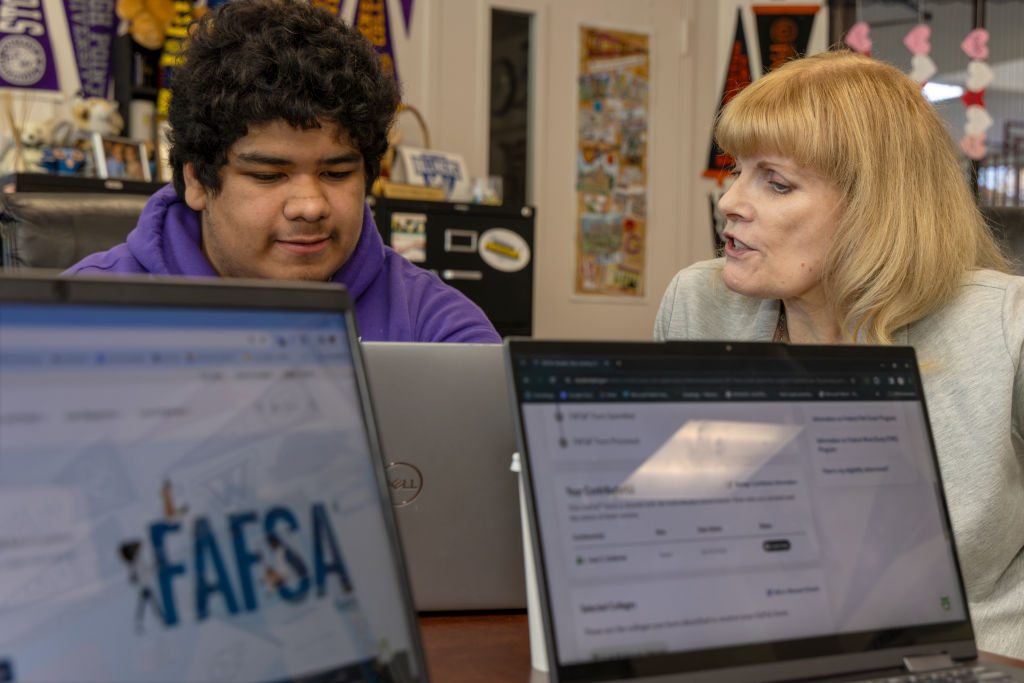
Scammers are exploiting college financial aid systems nationwide by creating “ghost students”—fake identities enrolled in classes solely to secure federal and state aid, investigations show. These fraud rings have siphoned off millions of dollars in taxpayer funds, triggered hundreds of active probes, and left real students and families scrambling to protect their information.
Federal and local authorities say criminals use stolen Social Security numbers and fabricated personal details to register fake students at community colleges with open online enrollment. Once enrolled, the scammers immediately apply for Pell Grants, student loans and other aid, then vanish with the funds. Federal investigators warn victims often learn about the fraud only when debt collectors contact them about loans they never sought.
Officials from community colleges in New Jersey and beyond report thousands of bogus applications each year. Brookdale Community College in New Jersey said it received about 1,000 ghost student applications annually, forcing administrators to tighten monitoring.
Experts say fraudsters lean on artificial intelligence to flood admissions systems with convincing profiles and to fill out applications at scale. In states like California, investigators found that nearly one-third of community college applicants could be fake, costing schools millions in aid and blocking spots that real students need.
Higher education leaders call the scheme an urgent threat to both taxpayers and legitimate students. They say fraud has crowded out real learners and stretched already thin enrollment offices. Victims whose identities appear in ghost student records face damaged credit and surprise debt burdens.
The U.S. Department of Education and college systems are stepping up identity verification and fraud detection to stem the tide, but officials admit the criminals change tactics quickly. In the meantime, financial aid officers and cybersecurity teams are racing to update safeguards before the next enrollment wave hits.