Gov. Josh Shapiro Takes Legal Action Against Trump Administration
Gov. Josh Shapiro Takes legal action over removal of slavery exhibit at President’s House
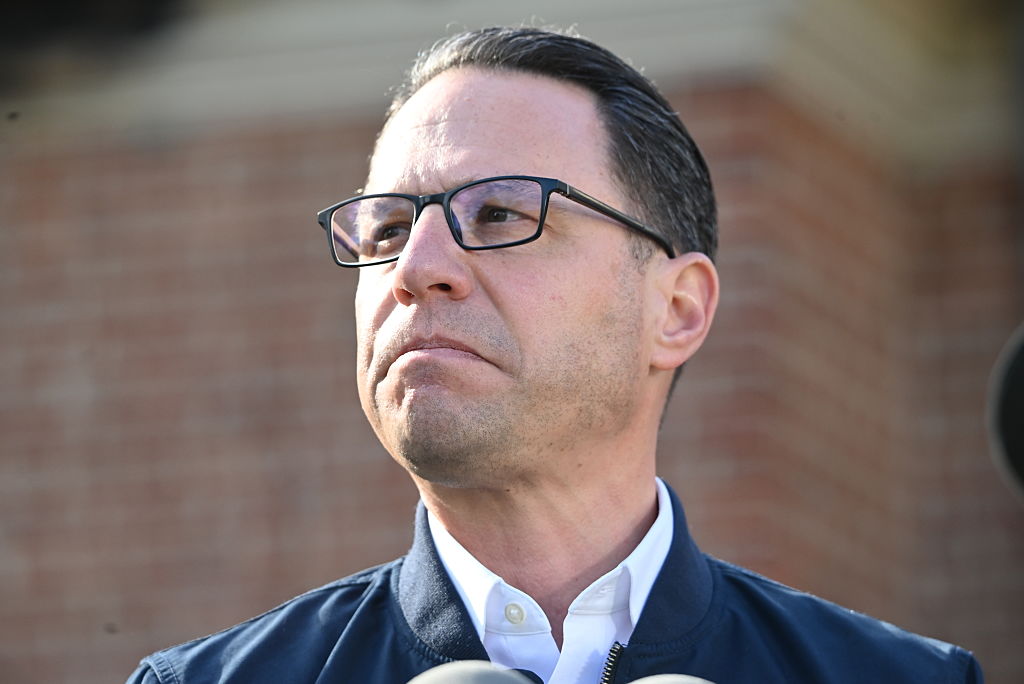
Pennsylvania Governor Josh Shapiro has taken a stand against the Trump administration, filing a legal document in support of the City of Philadelphia’s lawsuit over the controversial removal of a slavery exhibit at the President’s House on Independence Mall. The exhibit, which had been a fixture for over two decades, highlighted the lives of nine enslaved individuals who lived and worked with President George Washington during his time in Philadelphia.
Gov. Shapiro took to X to announce his legal battle with the Trump Administration. “I just took legal action to support Philadelphia’s challenge to the Trump Administration’s unlawful removal of an exhibit on slavery from the President’s House Site at Independence National Historical Park.” Shapiro wrote.
“Donald Trump will take any opportunity to rewrite and whitewash our history — but we will not let it happen in Pennsylvania. We learn from our history here, even when it’s painful.”
The City of Philadelphia’s lawsuit argues that the removal of the exhibit by the National Park Service earlier this month violated a 2006 cooperative agreement between the city and the federal government regarding the management of Independence Mall. The Trump administration cited a 2025 executive order signed by President Donald Trump as the basis for the removal. The order mandates the removal of public monuments, memorials, or markers that “inappropriately disparage Americans past or living.”
Governor Shapiro, however, sees the removal as an attempt to erase a painful but essential part of American history. In a press release, he stated, “Donald Trump will take any opportunity to rewrite and whitewash our history — but he picked the wrong city and the wrong Commonwealth. In Pennsylvania, we learn from our history, even when it’s painful. We don’t erase it or pretend it didn’t happen. Because when we know where we’ve been, we can chart a better course for the future.”
A public hearing on the matter is scheduled for Friday, January 29, 2026, where the City of Philadelphia will present its case for the return of the exhibit. The outcome of this legal battle could set a significant precedent for how historical narratives are preserved and presented in public spaces.