Man Goes Viral for 800 Mile 'Supercommute' from PHL to ATL
Meet Daniel Rodriguez: Man Commutes 800 Miles from PHL to ATL for Work
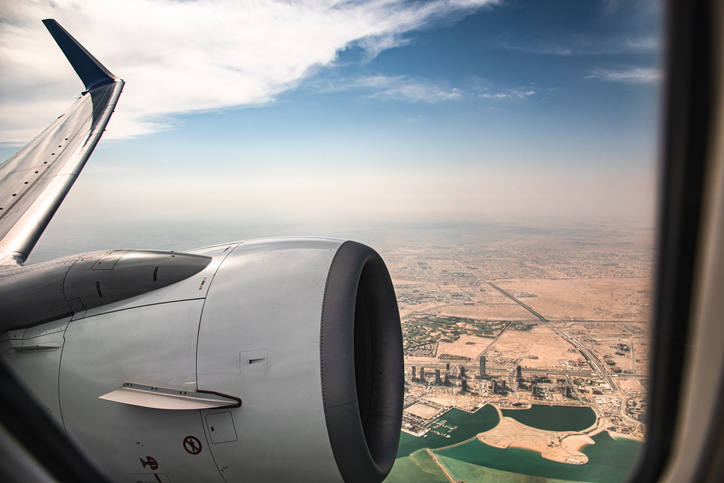
How much would you have to be paid to travel cross country weekly, to commute to work?
Daniel Rodriguez, a 34-year-old project manager, has redefined the concept of commuting with his weekly 800-mile journey from Philadelphia to Atlanta. Employed at an urban design firm, Rodriguez splits his time between the two cities, utilizing a combination of bus, train, and plane to make his “supercommute” work.
Rodriguez began this routine in May after struggling to find suitable work in Philadelphia. Opting for a hybrid role that required him to be in Atlanta several days a week, he and his wife decided against relocating due to the high cost of living. Instead, Rodriguez embraced the challenge of commuting, staying in Atlanta for two to three days at a time before returning home.
His weekly journey is a logistical feat. Starting at 3:30 a.m., Rodriguez walks to the train station for a $8.75 ride to the airport. He then boards a $90 flight to Atlanta, followed by a $2.50 train ride and a short walk to his office. The entire trip takes about 4 to 6 hours door-to-door. On his return, he retraces his steps, often using a ride-share service to the airport in Atlanta. The total weekly transportation cost? Around $240.
Despite the grueling schedule, Rodriguez has adapted well. He uses his travel time productively, working on his laptop, reading, or preparing for licensure exams. “I’m working from the airport, I’m working from the plane,” he says, emphasizing how he maximizes every moment.
Rodriguez’s living arrangements are equally strategic. While he and his wife pay $2,000 monthly for their Philadelphia apartment, he spends $400 a month to stay with a friend in Atlanta. He plans to secure his own place in the city soon.

For Rodriguez, the supercommute is less stressful than daily car commutes. He views it as an opportunity to be intentional about his time and relationships. “Everything needs to be thought out in advance,” he explains, highlighting how the commute forces him to prioritize what truly matters.
Far from being a mere inconvenience, Rodriguez sees his commute as a “third place”—a space that is neither home nor work but holds its own value.