Kehlani Speaks On AI Artist Getting A $3M Record Deal
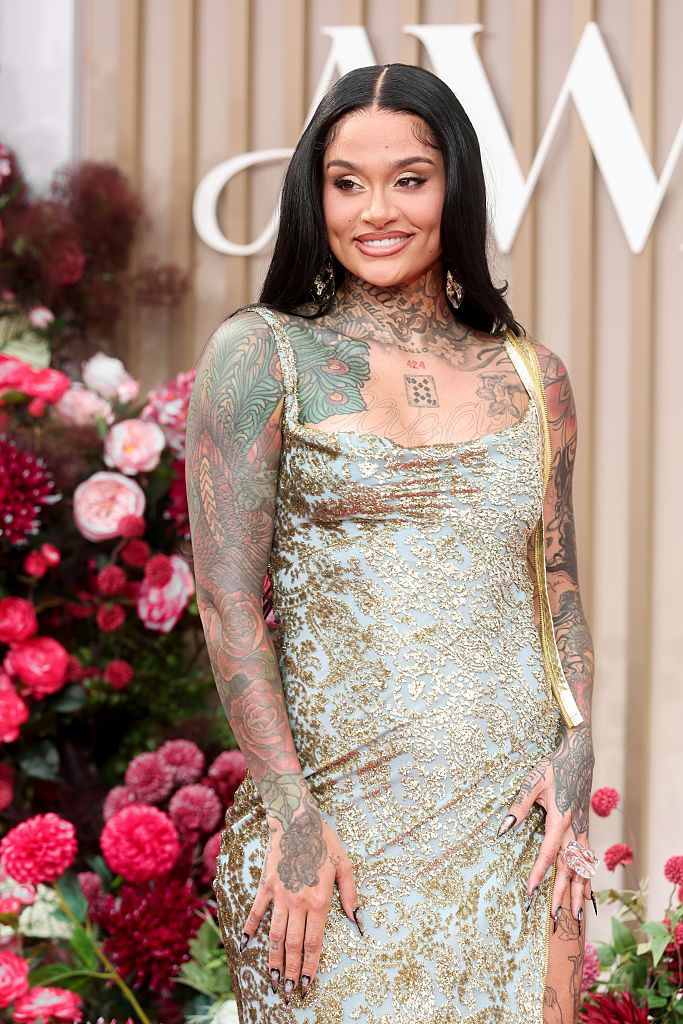
Kehlani didn’t hold back when they reacted to the announcement that AI artist Xania Monet secured a $3 million record deal. The singer, known for their outspoken stance on issues affecting the music industry, took to social media to voice their concerns about the growing trend of AI-created music taking a center stage.
In a fiery post, Kehlani called out the increasing role of AI in the creative process, arguing that it undermines the hard work of human artists who rely on their craft to connect with audiences. “The music industry has become a playground for algorithms and data,” Kehlani wrote. “This AI ‘artist’ may have a multimillion-dollar deal, but what does that mean for the people who put their blood, sweat, and soul into music?”
Xania Monet, an AI-generated “artist” created through machine learning algorithms, recently made headlines with the announcement of a groundbreaking record deal worth $3 million. The deal, which was brokered by a major label, has ignited a fierce debate about the future of music, art, and artificial intelligence. While some industry insiders celebrate the potential for innovation, others, like Kehlani, see it as a step backward for human artists.
Kehlani wasn’t alone in their criticism. Many fans and fellow musicians have expressed concern that the rise of AI-generated music could eventually replace authentic, human expression in the industry. “This is not about technology; this is about profit over people,” Kehlani continued in their post. “We’re at a point where record labels are funding algorithms over real-life stories that people are living every single day.”
The backlash has sparked conversations about the implications of AI in the music industry. While AI-generated content is becoming increasingly popular, critics argue that these developments could further commodify art, reducing it to a product created by code rather than by human experience and emotion.
As the conversation around AI in music grows louder, Kehlani’s bold stance highlights the tension between innovation and tradition — and the question of who truly gets to define the future of art.