DC 33 Enters Second Week Of Strikes
DC 33 Enters Second Week Of Strikes — Union And City Set To Meet
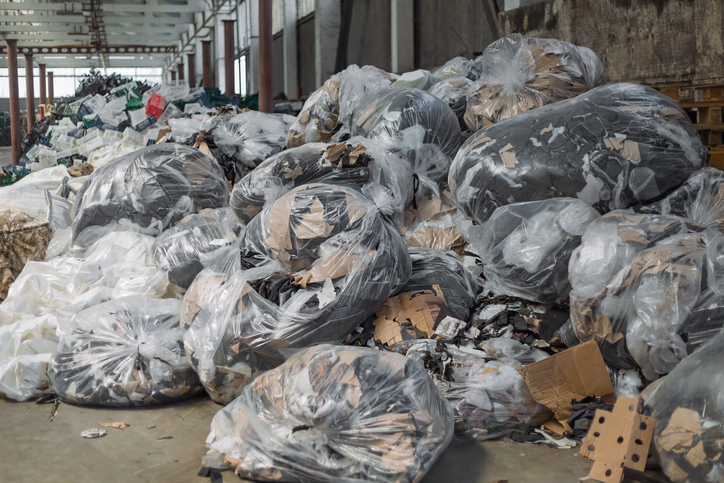
The strike by thousands of blue-collar city workers in Philadelphia has entered its second week, with no clear end in sight. Represented by AFSCME District Council 33, the workers walked off the job at midnight on July 1 after contract negotiations with the city fell apart.
Now, in a potential breakthrough, Action News has learned that talks between the union and city officials are expected to resume on Tuesday. While the exact time and location remain under wraps, the development marks a glimmer of hope amid growing tension and trash piling up across the city.
City leaders are urging patience from residents as they scramble to address mounting sanitation issues. Sanitation workers are among those on strike, leaving dozens of temporary trash collection sites overwhelmed.
At the heart of the standoff are disagreements over wages and benefits. The union is pushing for a 15% pay increase over three years, while the city’s latest proposal stands at 8.75% for the same period.
In response to the growing trash crisis, the city has begun enlisting private contractors — some from out of state — to assist with waste collection. At some locations, the volume of garbage is so extreme that multiple dumpsters are needed to manage a single site. Heavy equipment like front-end loaders is now being used to handle large or bulky items, though the city stresses that such disposal methods are not normally permitted.
To find a trash location nearesr to you, check this color coded map here: https://phl.maps.arcgis.com/apps/webappviewer/index.html?id=9ec6e3c5f9654c0b804a8c0682199130
Despite these efforts, the strike’s impact continues to ripple across the city, affecting public health and daily life.
Health experts warn that the trash buildup poses serious risks. Dr. Ruth McDermott-Levy, a nursing professor at Villanova University, says the mounds of garbage serve as breeding grounds for disease-carrying pests.
“Roaches carry diseases and can trigger asthma,” she said. “Rodents spread bacteria and viruses, and their excrement can also be hazardous.”
Beyond physical health, the visible and foul-smelling piles of trash are taking a toll on residents’ mental well-being. “People are becoming anxious just walking outside their homes and facing this every day,” McDermott-Levy added.
She advises residents to take precautions when near trash sites: wash hands thoroughly and avoid bringing shoes worn outside into the home.
The city’s Health Department is continuing to respond to reports of vermin and mosquito activity. Officials encourage residents to report any concerns by calling 215-685-9000.
In a statement to Action News, Philadelphia Health Department Communications Director James Garrow said residents should use designated temporary drop-off sites, which are cleared regularly and equipped with metal dumpsters to deter pests. He warned against illegal dumping and leaving trash curbside, which could attract rats and worsen the public health risk.
As city services remain disrupted, all eyes are now on the upcoming negotiations — and whether they can bring a resolution to the labor standoff that’s brought parts of Philadelphia to a standstill.